

Department of Chemistry
Promoting scientific excellence, innovation, and ethical values through quality chemistry education in rural areas.
About the Department
The Department of Chemistry was established in the academic year 2017–2018 with the aim of providing accessible and quality higher education to students in rural areas. The department plays a vital role in promoting scientific knowledge and developing skilled graduates who can meet the demands of academia, industry, and society.
The department offers undergraduate education with a curriculum that covers fundamental branches such as Organic, Inorganic, and Physical Chemistry. Emphasis is placed on both theoretical understanding and practical application through laboratory work.
Since its inception, the department has been actively working to uplift rural students by enhancing their academic capabilities, communication skills, and employability. Innovative teaching methods such as ICT-enabled learning, group discussions, seminars, and project-based learning are regularly practiced.
The department also contributes to community development through outreach programs focusing on environmental awareness, water quality, sanitation, and sustainable practices.
Vision
To deliver quality chemistry education in rural areas, fostering scientific excellence, innovation, and ethical values, and shaping students into responsible citizens contributing to sustainable development.
Mission
- To provide strong foundational knowledge in all branches of chemistry.
- To promote practical skills and hands-on laboratory experience.
- To motivate rural students towards higher education and research.
- To inculcate environmental consciousness and social responsibility.
- To develop critical thinking and problem-solving abilities.
- To enhance employability and entrepreneurial skills.
- To engage in community-oriented extension activities.
- To impart quality education in chemical sciences.
- To bridge the gap between rural and urban education standards.
- To develop scientific temper and analytical skills.
- To encourage participation in seminars, workshops, and projects.
- To provide exposure to industrial and research environments.
- To promote eco-friendly practices and sustainability awareness.
- PO1: Disciplinary Knowledge – Capable of demonstrating comprehensive knowledge and understanding of one or more disciplines that form a part of an undergraduate programme of study.
- PO2: Communication Skills – Ability to express thoughts and ideas effectively in writing and orally; communicate with others using appropriate media; confidently share one's views and express herself/himself; demonstrate the ability to listen carefully, read and write analytically, and present complex information in a clear and concise manner to different groups.
- PO3: Critical Thinking – Capability to apply analytic thought to a body of knowledge; analyse and evaluate evidence, arguments, claims, beliefs on the basis of empirical evidence; identify relevant assumptions or implications; formulate coherent arguments; critically evaluate practices, policies and theories by following scientific approach to knowledge development.
- PO4: Problem Solving – Capacity to extrapolate from what one has learned and apply their competencies to solve different kinds of non-familiar problems, rather than replicate curriculum content knowledge; and apply one's learning to real life situations.
- PO5: Analytical Reasoning – Ability to evaluate the reliability and relevance of evidence; identify logical flaws and holes in the arguments of others; analyze and synthesize data from a variety of sources; draw valid conclusions and support them with evidence and examples, and addressing opposing viewpoints.
- PO6: Research-related Skills – A sense of inquiry and capability for asking relevant/appropriate questions, problem arising, synthesising and articulating; ability to recognise cause-and-effect relationships, define problems, formulate hypotheses, test hypotheses, analyse, interpret and draw conclusions from data, establish hypotheses, predict cause-and-effect relationships; ability to plan, execute and report the results of an experiment or investigation.
- PO7: Cooperation/Teamwork – Ability to work effectively and respectfully with diverse teams; facilitate cooperative or coordinated effort on the part of a group, and act together as a group or a team in the interests of a common cause and work efficiently as a member of a team.
- PO8: Scientific Reasoning – Ability to analyse, interpret and draw conclusions from quantitative/qualitative data; and critically evaluate ideas, evidence and experiences from an open-minded and reasoned perspective.
- PO9: Reflective Thinking – Critical sensibility to lived experiences, with self awareness and reflexivity of both self and society.
- PO10: Information/Digital Literacy – Capability to use ICT in a variety of learning situations, demonstrate ability to access, evaluate, and use a variety of relevant information sources; and use appropriate software for analysis of data.
- PO11: Self-directed Learning – Ability to work independently, identify appropriate resources required for a project, and manage a project through to completion.
- PO12: Multicultural Competence – Possess knowledge of the values and beliefs of multiple cultures and a global perspective; and capability to effectively engage in a multicultural society and interact respectfully with diverse groups.
- PO13: Moral and Ethical Awareness/Reasoning – Ability to embrace moral/ethical values in conducting one's life, formulate a position/argument about an ethical issue from multiple perspectives, and use ethical practices in all work. Capable of demonstrating the ability to identify ethical issues related to one's work, avoid unethical behaviour such as fabrication, falsification or misrepresentation of data or committing plagiarism, not adhering to intellectual property rights; appreciating environmental and sustainability issues; and adopting objective, unbiased and truthful actions in all aspects of work.
- PO14: Leadership Readiness/Qualities – Capability for mapping out the tasks of a team or an organization, and setting direction, formulating an inspiring vision, building a team who can help achieve the vision, motivating and inspiring team members to engage with that vision, and using management skills to guide people to the right destination, in a smooth and efficient way.
- PO15: Lifelong Learning – Ability to acquire knowledge and skills, including "learning how to learn", that are necessary for participating in learning activities throughout life, through self-paced and self-directed learning aimed at personal development, meeting economic, social and cultural objectives, and adapting to changing trades and demands of work place through knowledge/skill development/reskilling.
Department Faculty
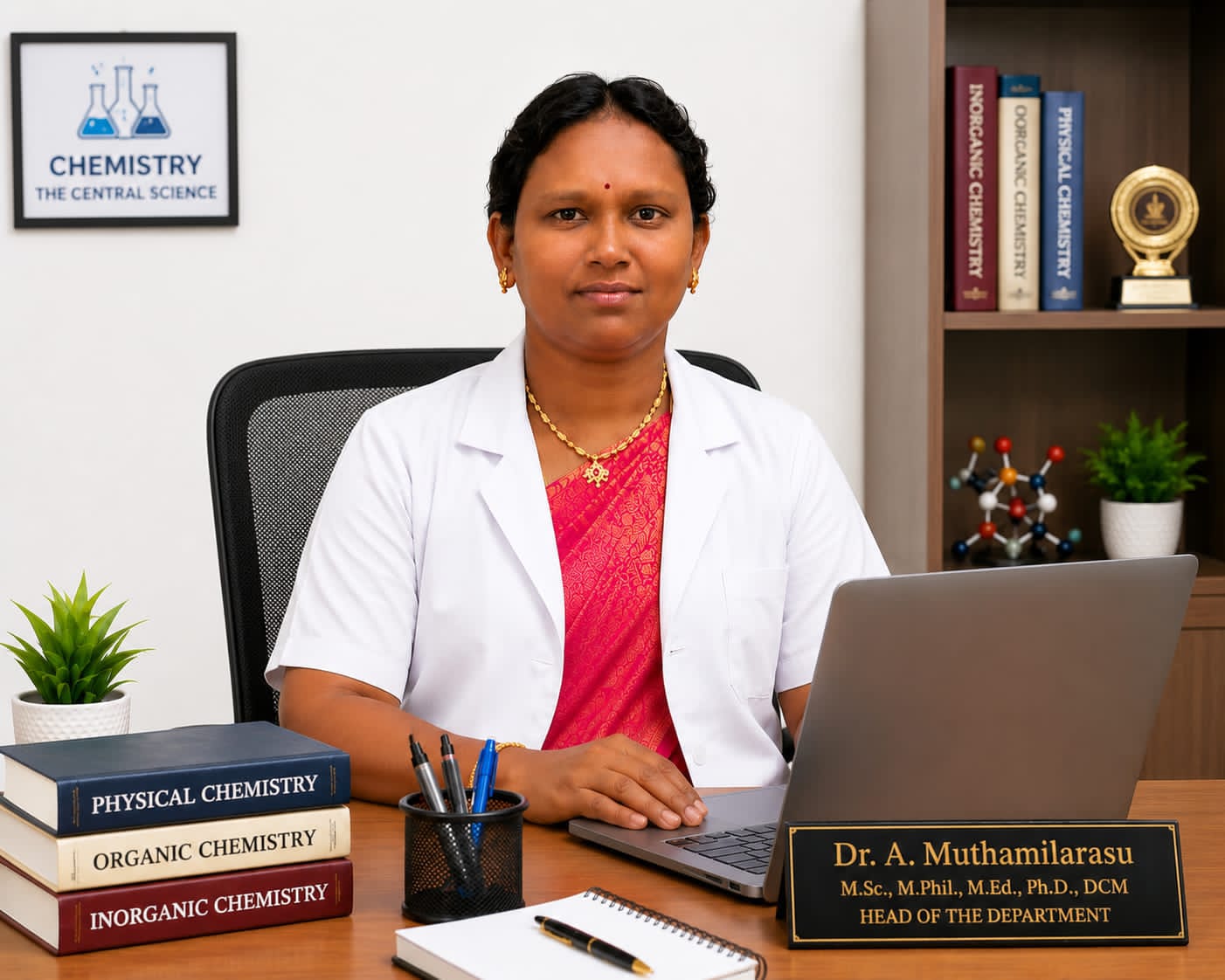
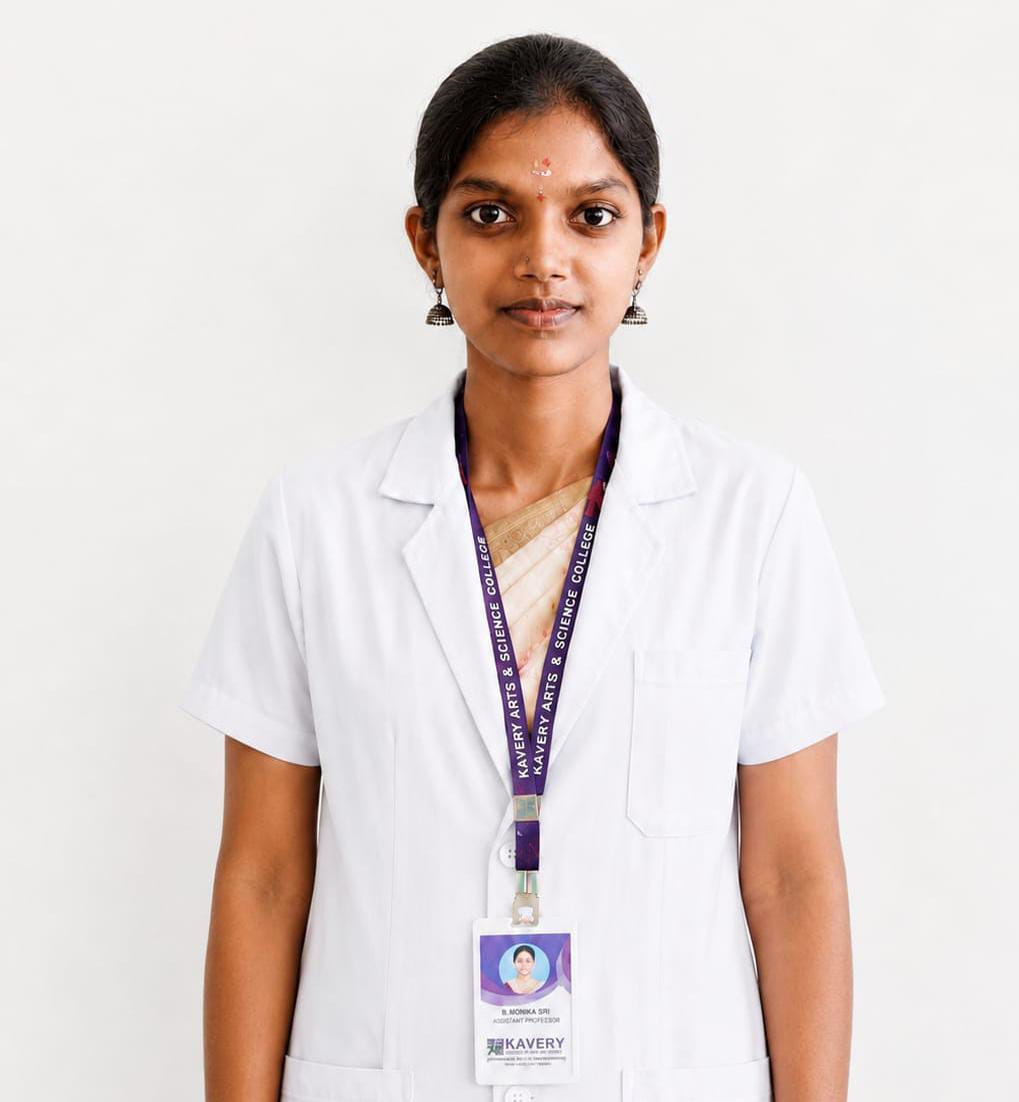
The Department of Chemistry is supported by a team of qualified and dedicated faculty members who are committed to academic excellence and student development. Faculty members play an important role in mentoring students, guiding them in academics, career development, and personal growth.


- Well equipped laboratories with modern instruments for practical learning
- Separate labs for organic, inorganic and physical chemistry experiments
- Safe and well ventilated lab environment with proper lighting and workspace
- Availability of high-quality chemicals and reagents for accurate experiments
- Modern glassware and apparatus for hands on training
- Safety equipment including fire extinguisher, first aid kit and lab coats
- Research facilities for project work and student innovation
- Trained lab assistant and faculty guidance for effective learning
- Regular maintenance and cleanliness to ensure a safe working environment
Chemistry students have consistently excelled in university examinations, securing top ranks and distinctions. They have actively participated in inter-collegiate competitions, science exhibitions, paper presentations, and project competitions. Many students have pursued higher education in reputed institutions and secured placements in research labs, pharmaceutical companies, and educational institutions.
The Department of Chemistry regularly organizes seminars, workshops, and industrial visits to provide industry exposure. Events include guest lectures by experts, science exhibitions, chemistry quizzes, and hands-on workshops on analytical techniques. Industrial visits to pharmaceutical companies, chemical industries, research labs, and environmental testing facilities help students understand real-world applications of chemistry.
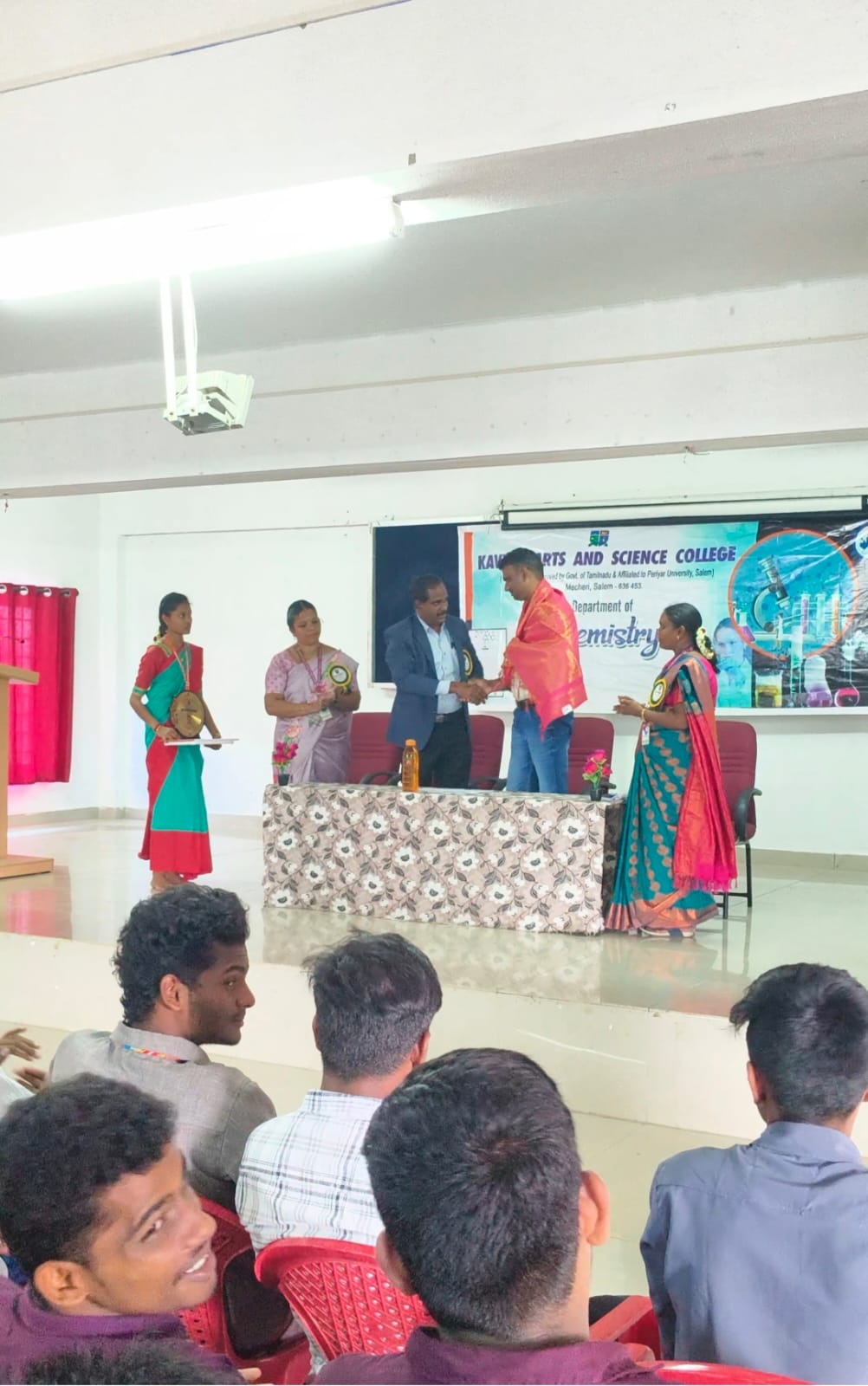
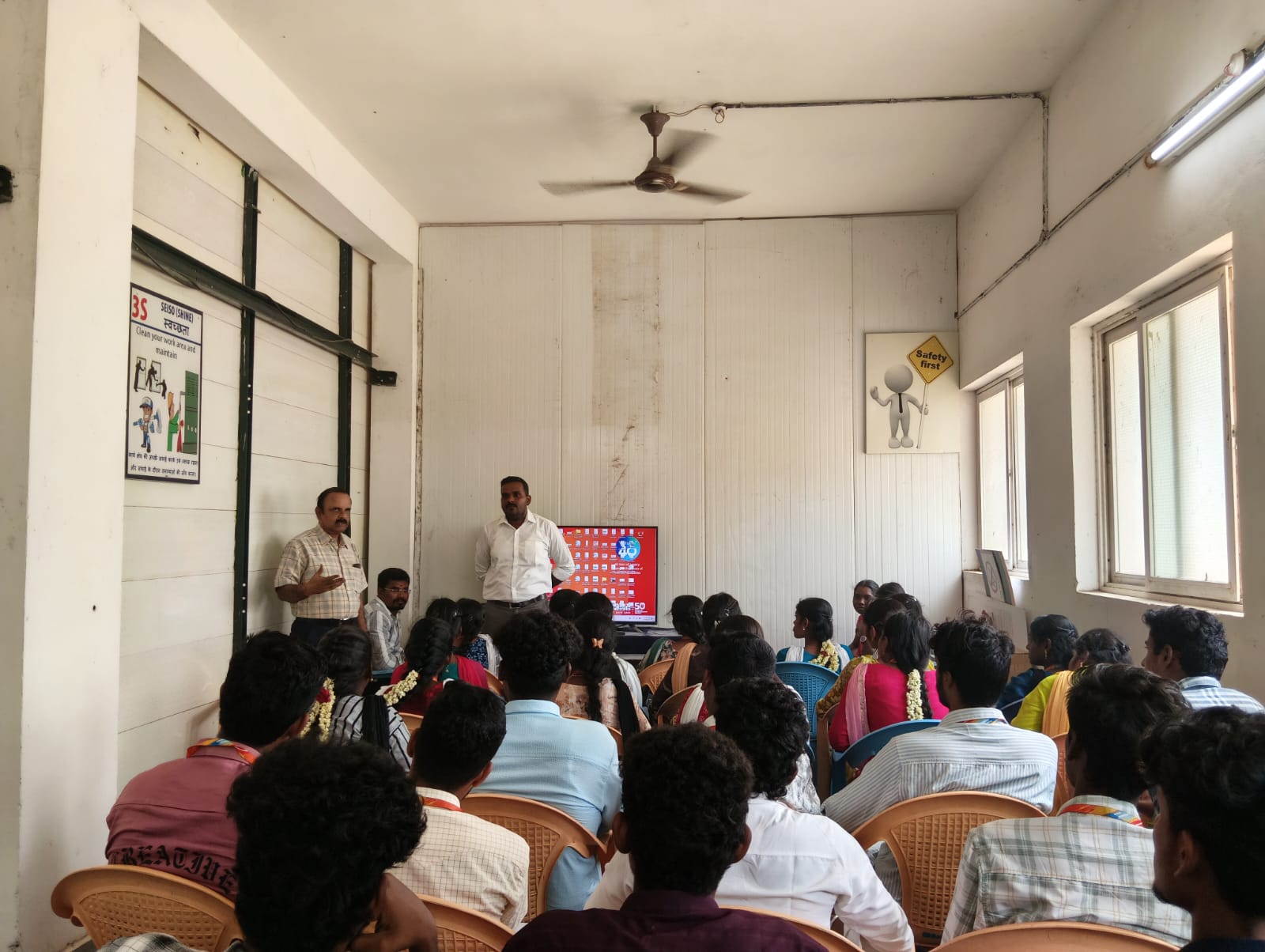
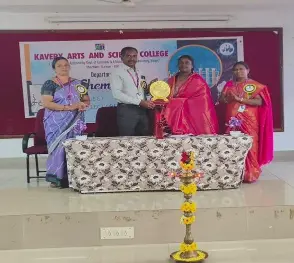
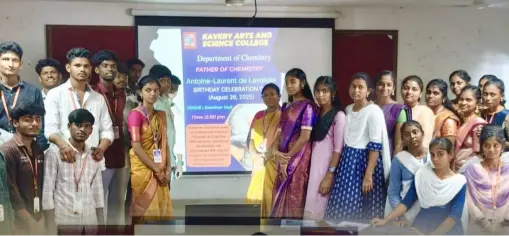
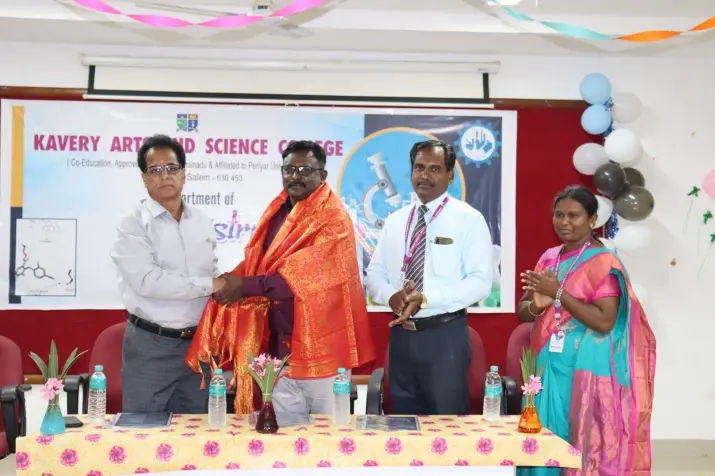
Explore the vibrant life of the Department of Chemistry through our gallery – capturing moments from classrooms, lab sessions, events, industrial visits, and student achievements.
Click the button below to view the detailed syllabus for B.Sc. Chemistry as prescribed by Periyar University (Naan Mudhalvan 2023-24 Even Semester).